
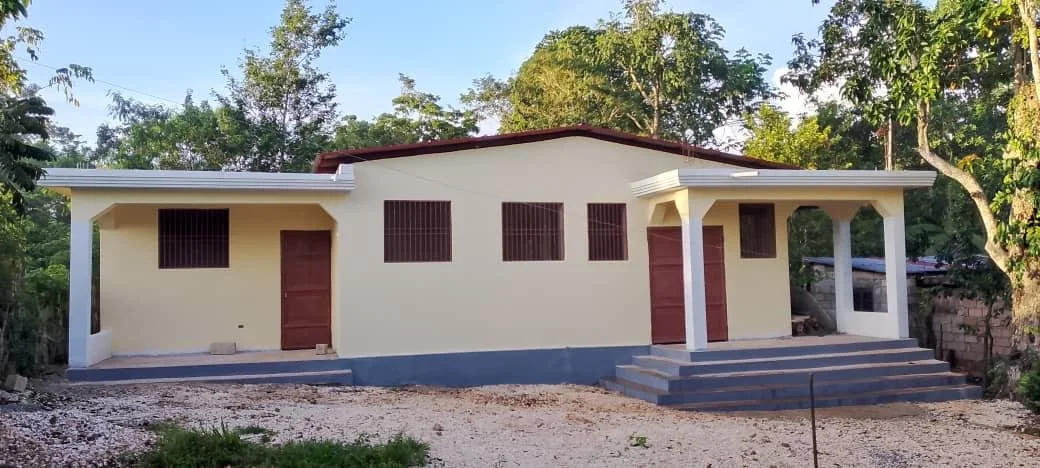
Casava Production Facility Is Ready for Operation
A Major Milestone for the Jeannette Cassava Initiative
Three years ago, APSHA and the Diocese of Wisconsin launched an ambitious initiative designed to strengthen food security, create economic opportunity, and help build a more sustainable future for St. Marc School and Clinic.
Today, we are excited to share an important milestone: the cassava processing facility is complete!
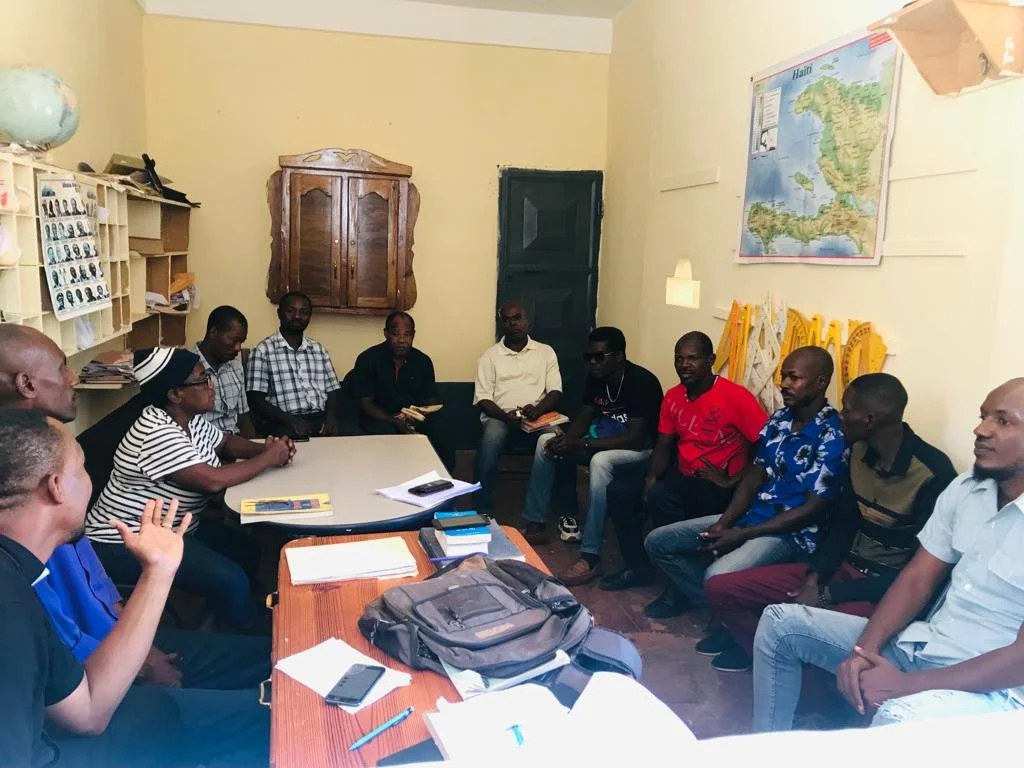
Equipment has been installed. Leaders of all planters’ groups have been trained in the use of equipment and tools necessary for cassava production. Farmers have elected a governing committee of 10 members and selected facility leadership.
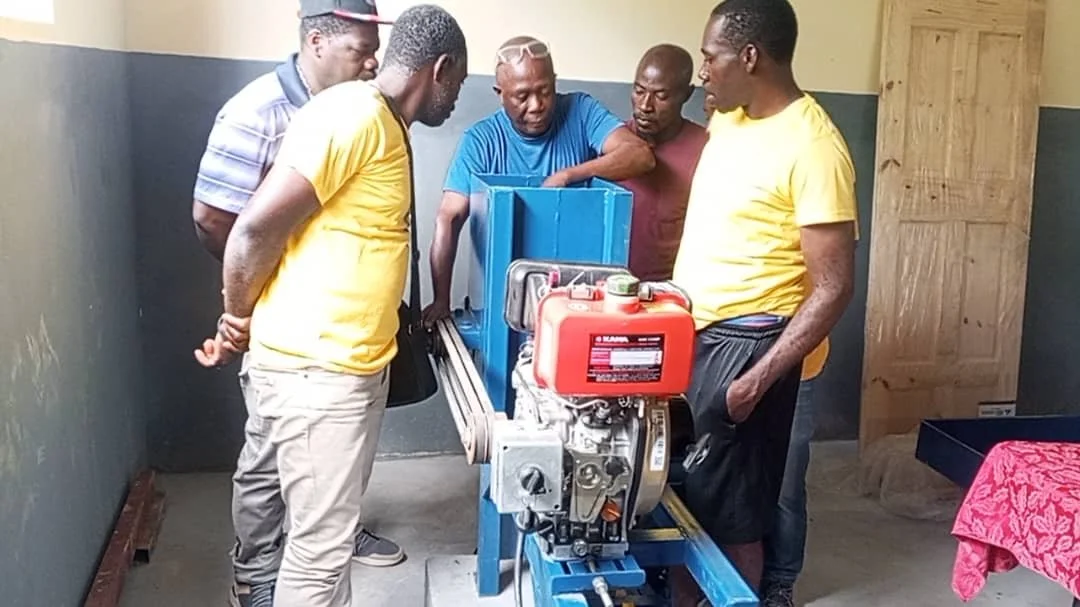
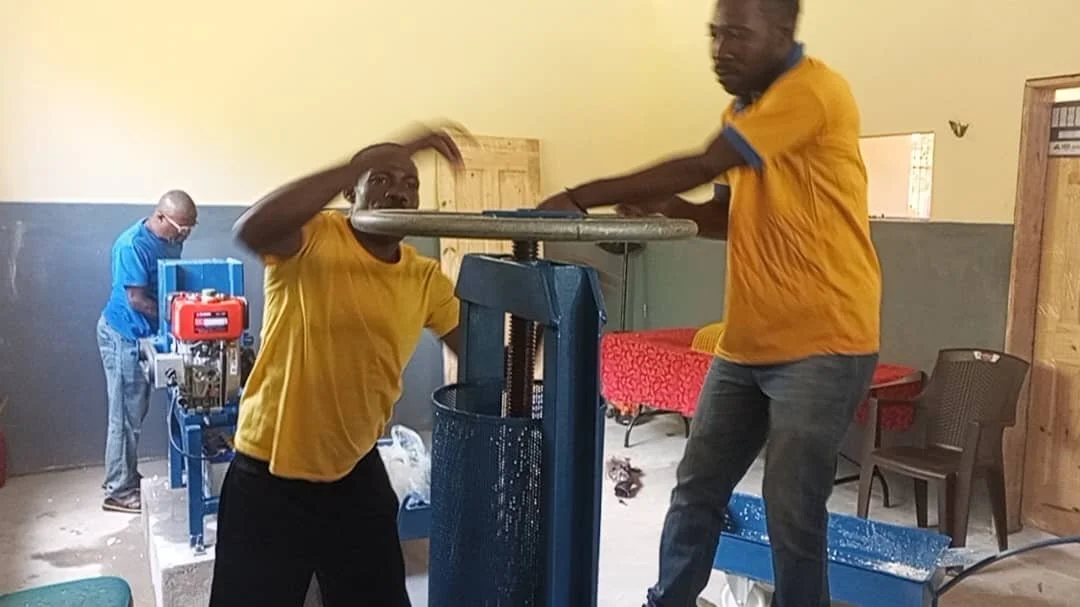
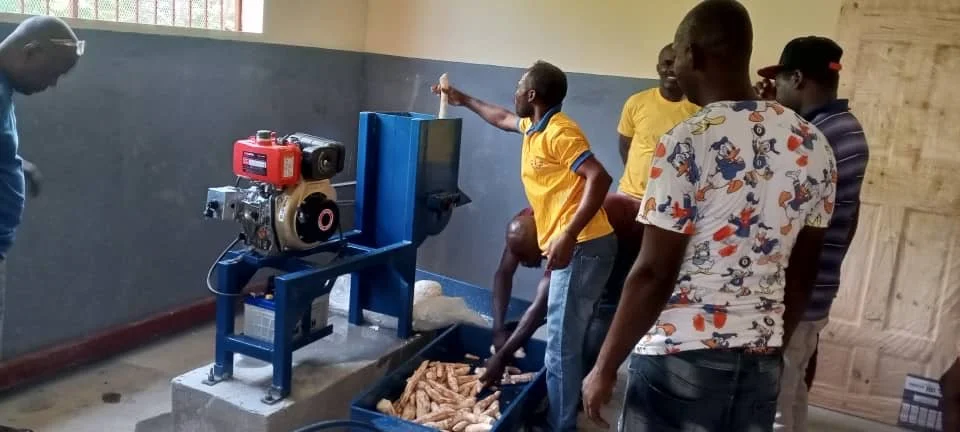
One goal for this committee is to strengthen management skills and to gain a better understand the operation of the unit. They will take responsibility for the operations when the disengagement of APSHA becomes effective.
The unit does not yet have permanent personnel, but a logistician and a guard will be hired to facilitate operations. As the activities progress, seasonal jobs will also be created. The facility is now prepared to begin processing cassava into value-added products that can be marketed and sold throughout the year.
The first results of the strategic analysis show total consumer support: 100% of the 112 people consulted approve of the products that the unit should deliver! Such a unanimous response is rare and constitutes a very strong market signal.
This change in consumer awareness and demand reveals an important evolution. Today, consumers in Haiti place great value on food hygiene, which has become an essential criterion in their purchasing decisions. Gaining their trust and being able to meet their assurance of quality have become vital criteria. The market is now clearly demanding a transition into a modernized, standardized and sanitary product. The new Cassava production facility in Jeannette meets these criteria thus will be in high demand.
APSHA has already launched the process of acquiring the necessary furniture for the unit, notably the tables, chairs and utensils used for the transformation. The organization also engaged in the purchase of a stock of agricultural tools as well as seeds of an even higher performing variety than the one we have already introduced in the area.
While the building itself represents an important achievement, it is not the most significant accomplishment.
The most important development may be that responsibility for the facility now rests in local hands. A committee elected by participating farmers will oversee operations, maintenance, production planning, and marketing strategies.
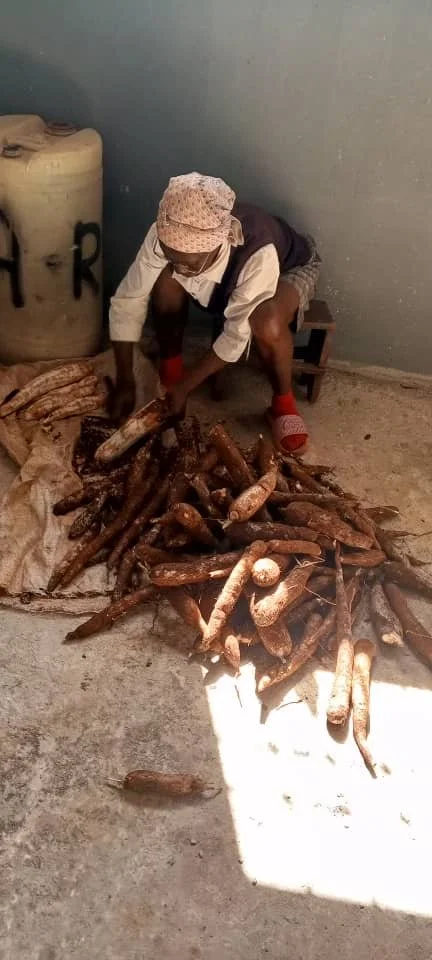
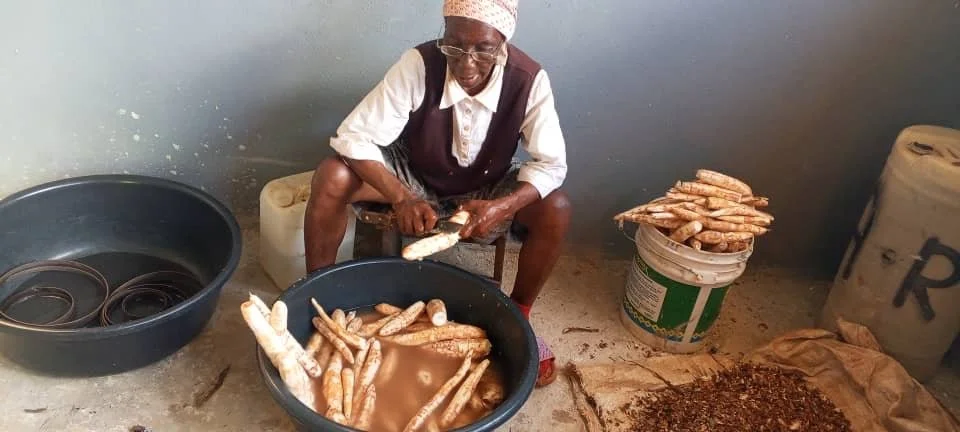
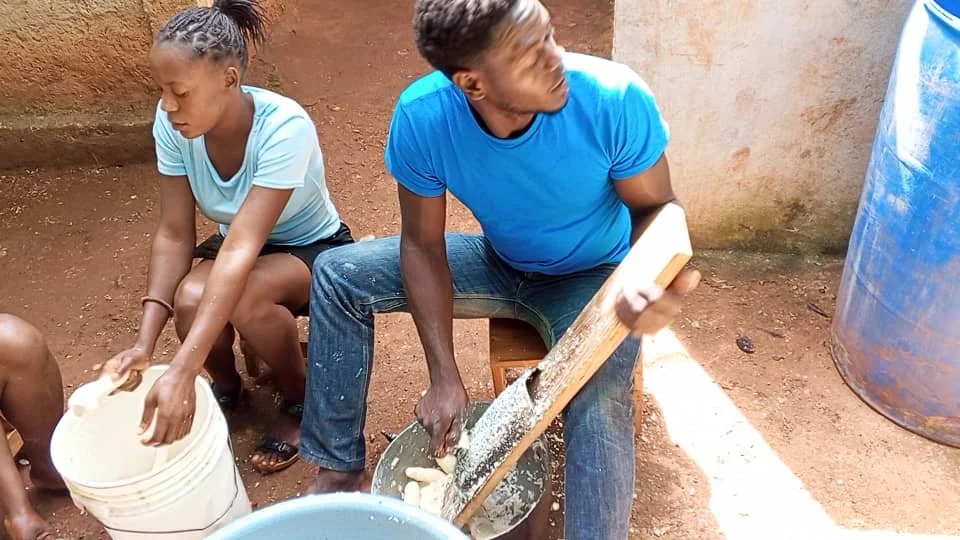
Longtime villagers like Christina (sister of Mary Kam) and younger generations of young leaders like those pictured alongside her above, are together learning all skills necessary to prepare cassava tubers and to operate production equipment. In final photo above, trainees sample the efforts of their labor at break time.
Together, the farmers of Jeannette will determine how best to work cooperatively to maximize income, strengthen food security, and build opportunity throughout the community. In other words, the people most affected by the facility's success are now responsible for helping guide its future. The facility is complete.
Now, the real work begins.
Sending Check?
Attn: Haiti Partnership
PO Box 137
Oshkosh, WI 54903
In the Words of APSHA’s CEO, Gregory Leger
What are you most proud of so far?
I am proud so far of the quality of equipment I have seen in the factory and the size of the building built to transform our cassava production. This has had a great impact on me.
What surprised you the most?
My biggest surprise is enthusiastic the population is. They testify that this project responds to their true needs. Cassava is the most important crop for them, but in the past some of it always goes bad before they can eat it. Now, with facility that can process the dry tubers into foods that last for many months, all that waste will be eliminated.
How do you know the project is successful?
I learned that the project is successful from the people planing the cassava, from how motivated and excited they are about having a place to process their cassava and to sell their products without having to travel so far.
What would you like donors in Wisconsin to understand about this initiative?
The project has had a great impact on the community, but we are not finished. We will need to employ people qualified to do proper marketing so that more people know that there are large enterprises that are transforming cassava locally, in the Paillant commune.
Another important aspect of this initiative I would like for people in Wisconsin to know about is that provides support for the farmers in the form of loans, which they pay off after harvest. This allows them to invest more in their cassava crops and to grow their capacity, resulting in increased income as well as better food security for the people of Jeannette and for those outside the community who buy their products.
How We Got Here
In 2022, after supporting the St. Marc School and Clinic in Jeannette, Haiti for four decades, the partnership entered a new chapter when the diocese began asking a vital question: what will happen to these institutions if one day we can no longer support them financially?
That question led the Diocese to partner with the Haitian nonprofit APSHA (Action Pour Sauver Haïti) to identify practical ways the community could strengthen its economy and gradually assume a greater share of supporting its school and clinic.
The answer began with cassava.
What started as an agricultural initiative has since grown into a Haitian-led socio-agribusiness designed to strengthen food security, create jobs, expand economic opportunity, and build a stronger future for the entire community.
Planting Hope, Harvesting Change
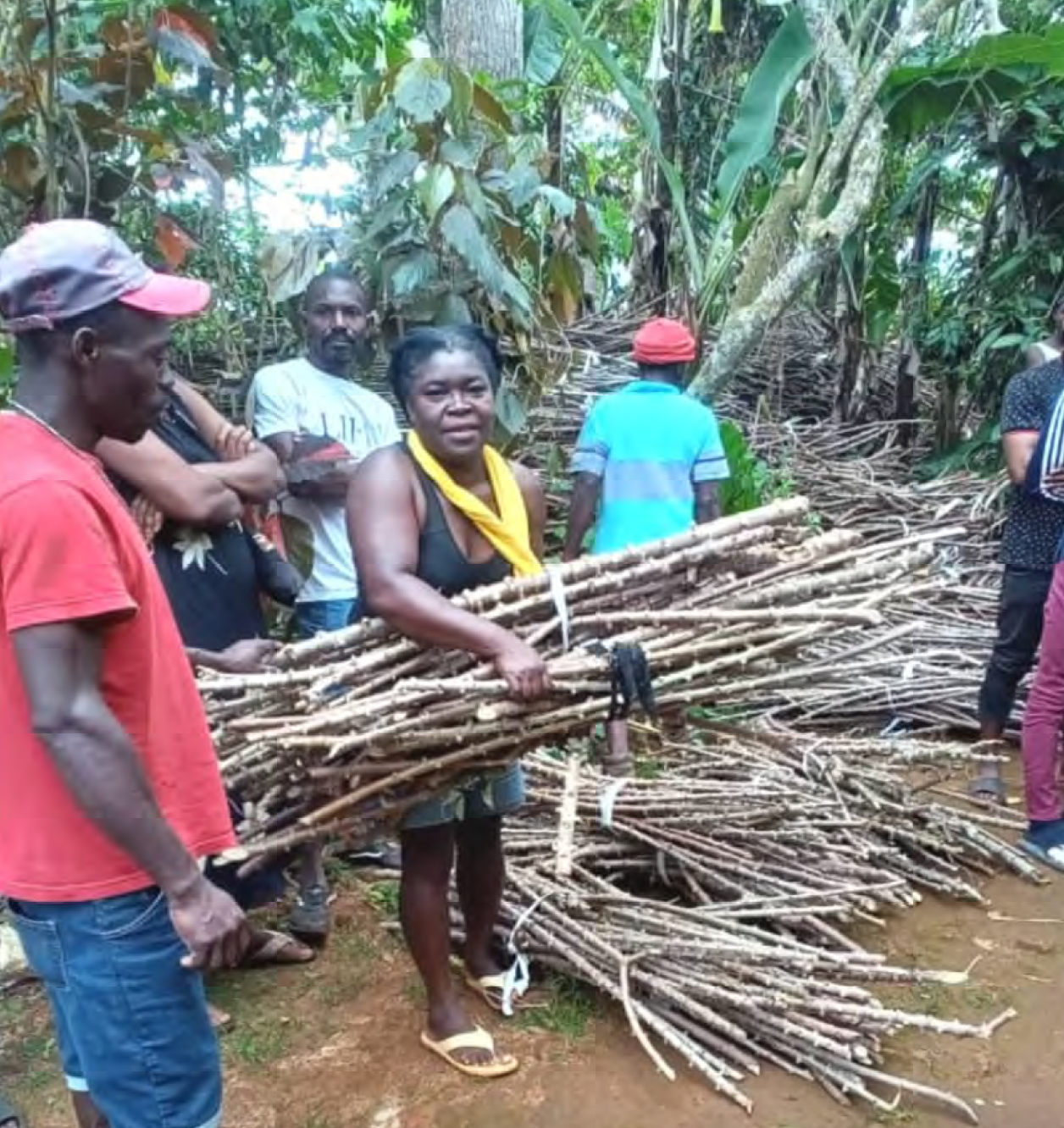
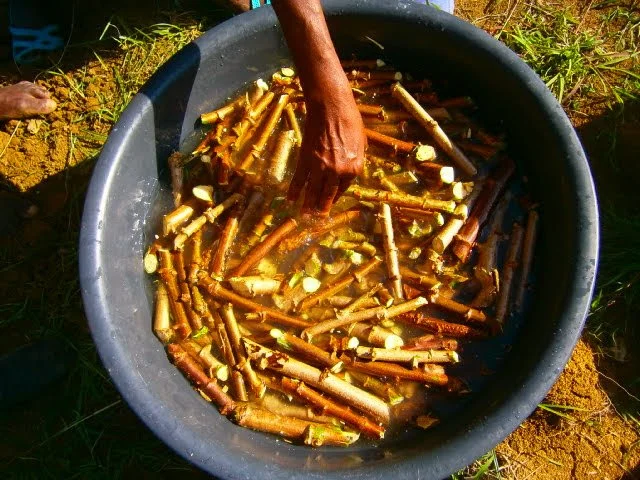
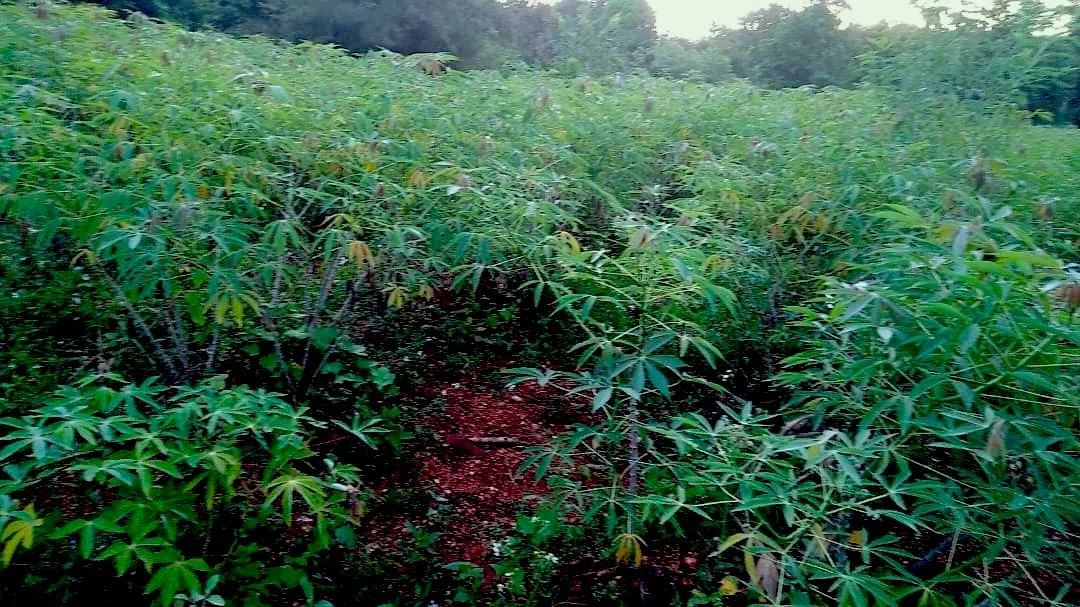
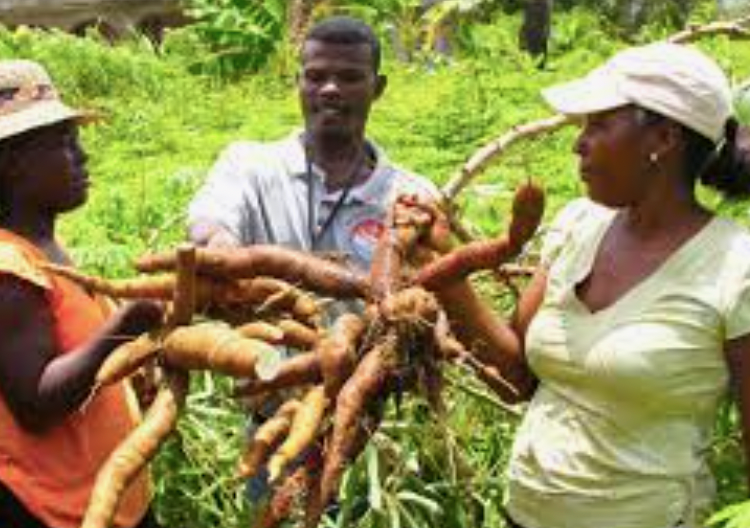
Cassava is one of Haiti's most important staple foods. Hardy and nutritious, it grows well in conditions where many other crops struggle.
In 2023, APSHA (Action Pour Sauver Haïti) launched Phase I of the Cassava Program with support from the Diocese of Wisconsin. More than eighty farming families received training, agricultural tools, and 25,000 high-yield cassava cuttings.
The goal was not simply to increase harvests. APSHA sought to strengthen farmers' skills, improve food security, and create new opportunities for income generation.
As farmers adopted improved growing techniques and higher-yield planting stock, production increased. Families gained access to more food and greater economic opportunity.
Most importantly, the foundation was laid for a community-owned enterprise capable of creating jobs, strengthening food security, and retaining more economic value within Jeannette.
Why Processing Matters
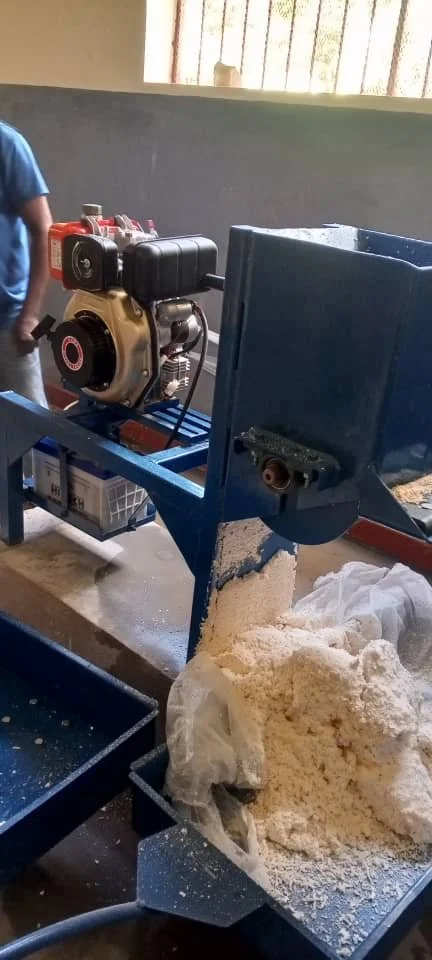
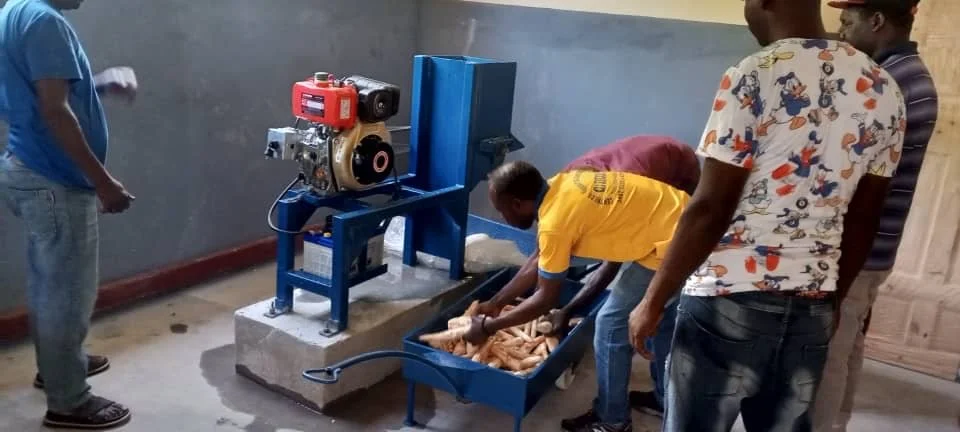
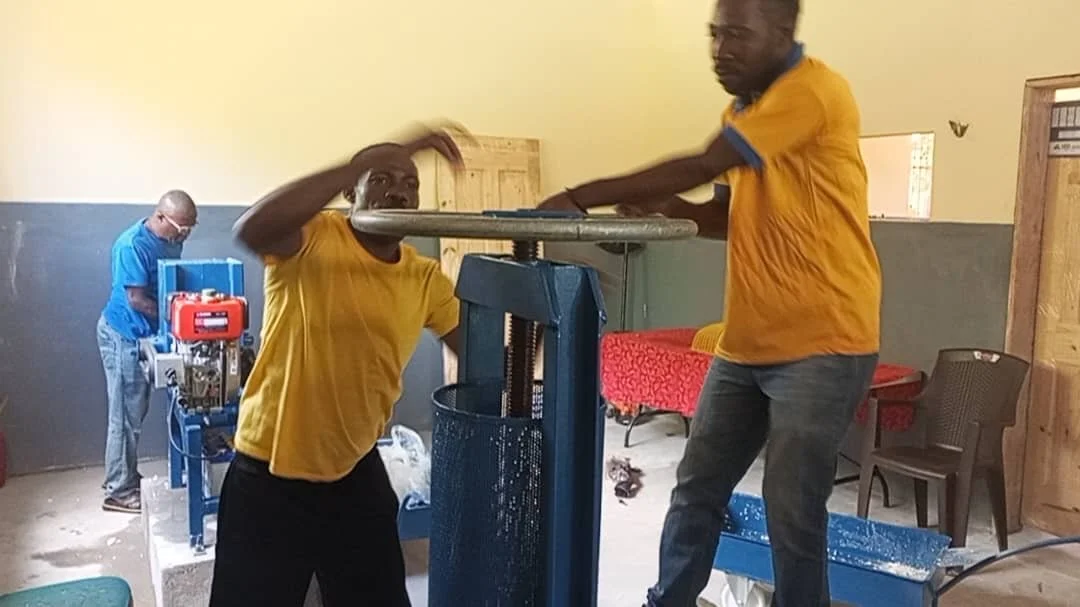
Expert Setting Up Grinder and Explaining
As harvests increased, APSHA and community leaders turned their attention to the next challenge. How could more of the value created by cassava remain within the community?
The answer was a cassava processing facility.
Rather than selling cassava only as a raw crop, local farmers would participate in producing value-added food products that can be stored, marketed, and sold throughout the year.
Opportunities extend well beyond agriculture. The facility creates local employment, opens new business opportunities, and helps stabilize food supplies during dry seasons. It also gives farmers access to a cooperative system through which they can process, market, and sell higher-value products rather than relying solely on raw crop sales.
It also allows more of the economic value created by cassava to remain in Jeannette rather than leaving the community. The result is a stronger local economy that benefits families, schools, clinics, and community institutions alike.
Growing More Than Cassava
Economists often speak about value chains. The concept is simple. Every step that happens locally creates opportunity locally.
For generations, farmers throughout Haiti have often sold cassava in raw form while much of the economic value created through processing, packaging, transportation, and marketing accrued elsewhere. The new facility allows Jeannette to capture more of that value locally, creating jobs, skills, and income that remain within the community.
When farmers grow cassava, workers process it, local entrepreneurs market it, and families purchase locally produced goods, economic value remains within the community.
Each new job supports a family. Each successful harvest creates new possibilities.
Each dollar spent locally has the potential to circulate through businesses, schools, healthcare services, and community life.
What APSHA is building is more than a processing facility. It is helping create an economic ecosystem capable of supporting long-term community development.
What Happens Next
Over the coming year, APSHA plans to continue expanding production, strengthening marketing channels, increasing processing capacity, and creating additional economic opportunities for local families.
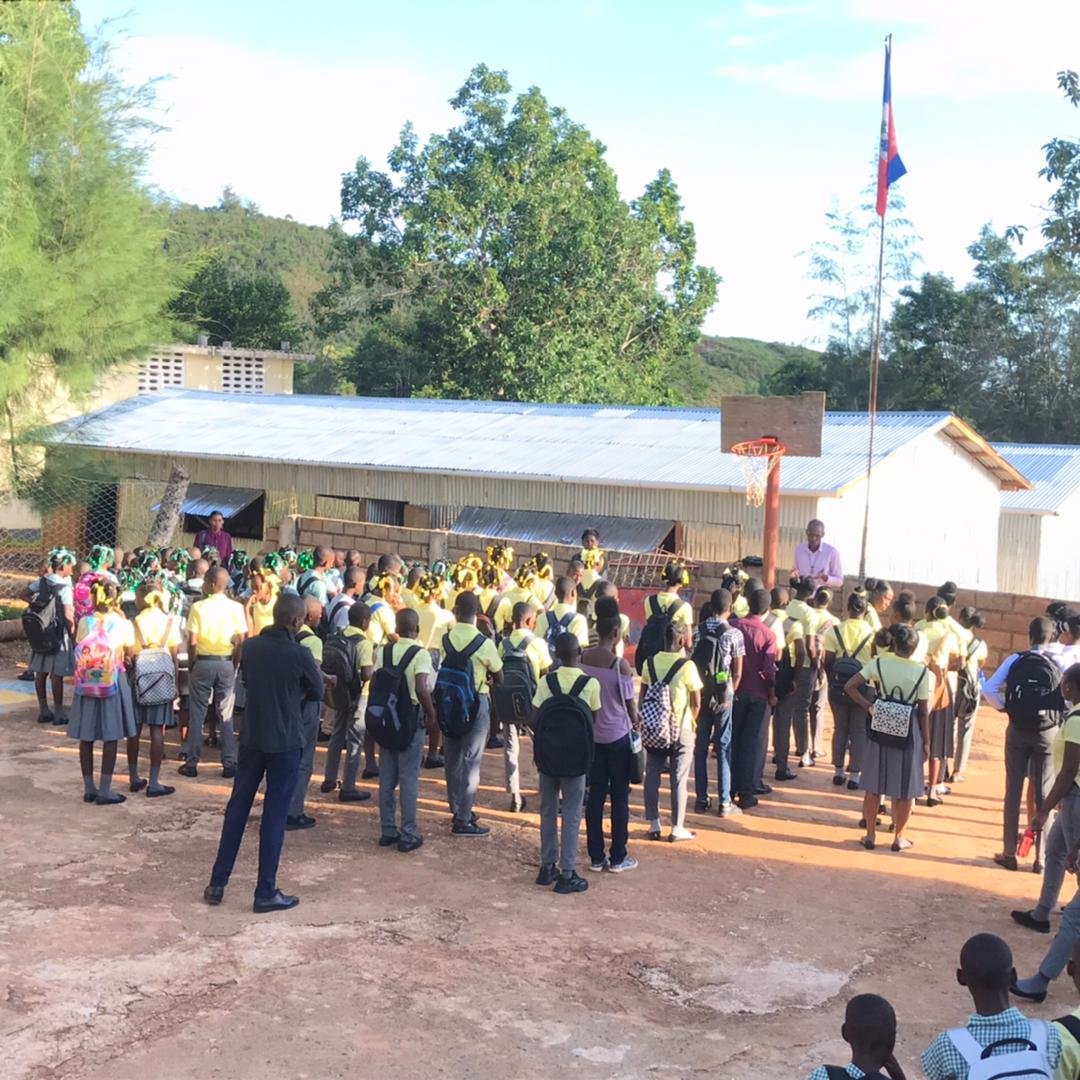
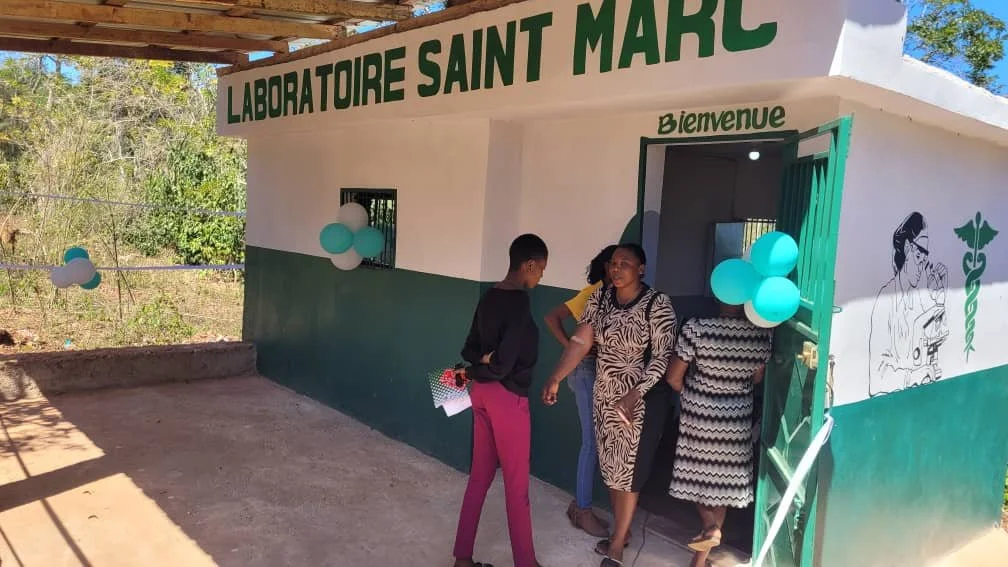
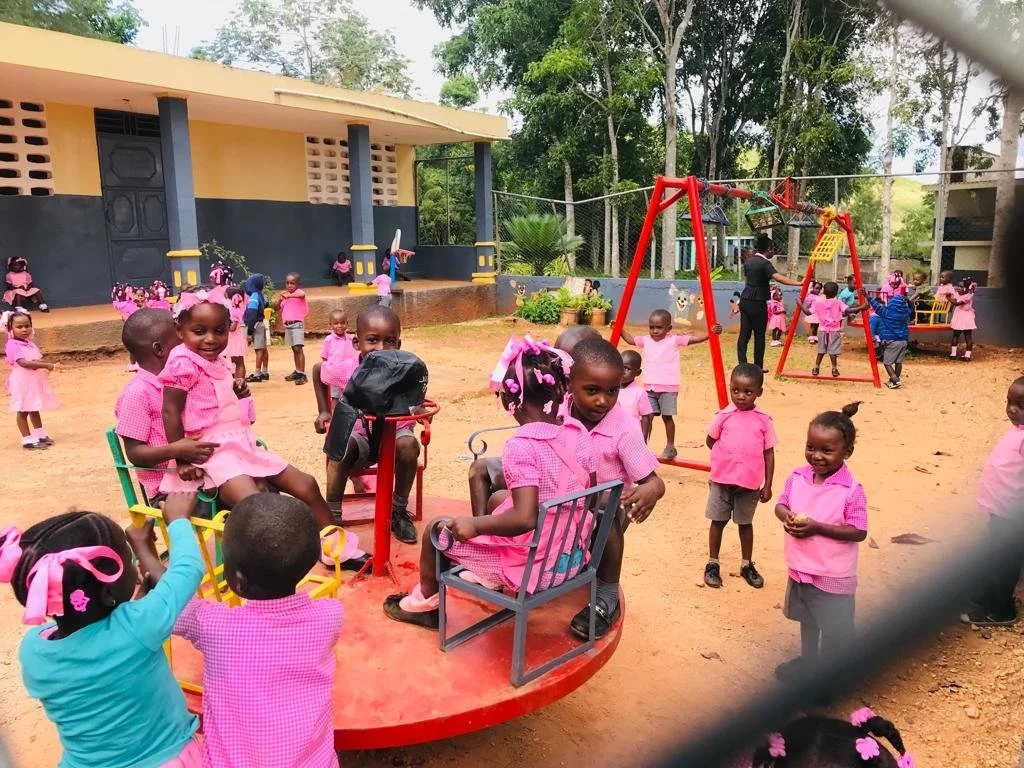
The vision remains clear: A stronger local economy, greater food security, more opportunities for families. and increasing local support for the school and clinic that have served the community for generations.
The Real Harvest : Building Agency
The most important outcomes of this initiative may not be measured in pounds of cassava or bags of flour. And the most important question may no longer be “What has the diocese funded over the past four decades?”
Instead, the most important question may be “What has forty-five years of partnership made possible?” Local leadership, shared responsibility, accountability, ownership, and the growing capacity of the people of Jeannette to shape their own future.
Today, together with APSHA and local leaders, we are helping build the economic foundation that will allow those institutions to thrive long into the future.

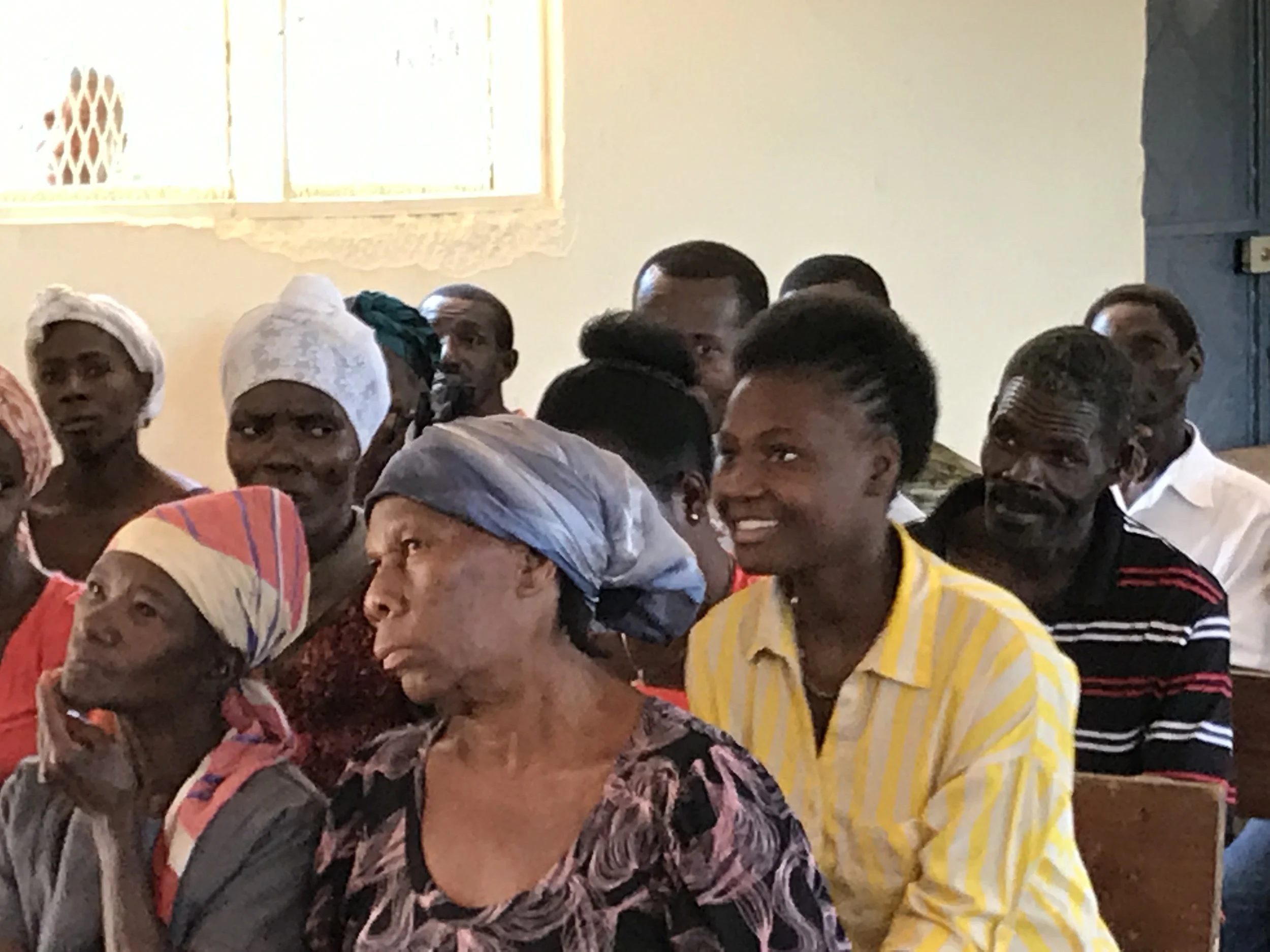
Cassava may be the crop. But the real harvest is the growing capacity of the people of Jeannette to build the future they want for their children, their school, their clinic, and their community.
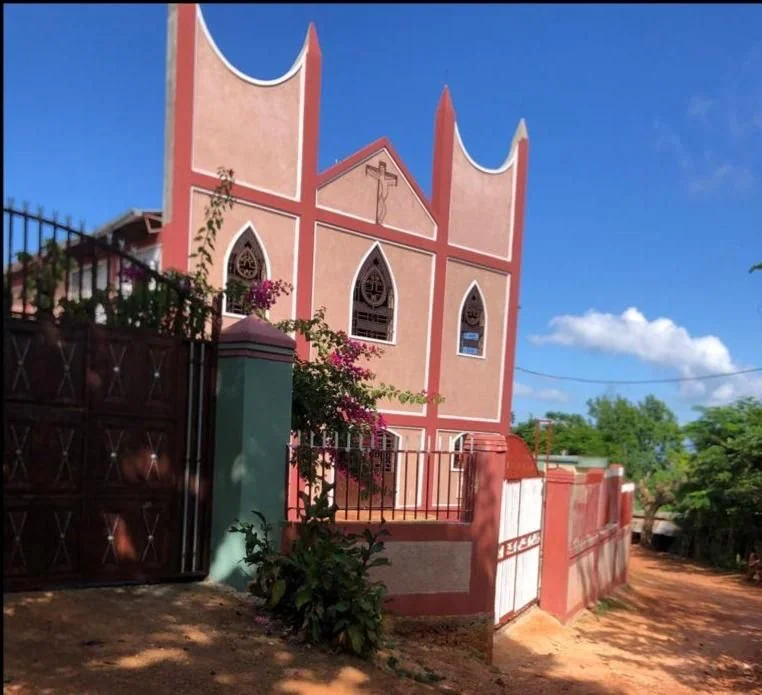
St.Marc Church in Jeannette
To Donate by Check, please make payable to the Episcopal Diocese of Wisconsin Haiti Partnership and mail to:
The Episcopal Diocese of Wisconsin Haiti Partnership
PO Box 137
Office: 311 Division Street
Oshkosh, WI 54903